
Evidence-informed curriculum development and professional learning in higher education and science-based organisations


Your curriculum no longer quite fits.
Students are disengaging. AI is changing what learning looks like.
You know something needs attention.
But where do you start?
You support educators with all kinds of questions. From curriculum development to SoTL and professional development.
Sometimes an outside perspective can help. Or you need specific expertise.
Something in your teaching needs to change. Or you want to take a next step in SoTL or leadership. You have ideas, but aren’t sure how to move forward.
You don’t have to figure it out alone.
For Science-Based Organisations
Your organisation is full of expertise. The challenge is helping people share what they know, learn from each other and put knowledge to use in different professional contexts.
🇳🇱 Liever in het Nederlands? Hier vind je een korte toelichting
Questions from Practice
You work in higher education, healthcare, R&D or another science-based environment.
Questions come up in everyday practice that don’t have an obvious answer.
Why do students understand something in class, but struggle to apply it later?
Why do individually strong courses not quite add up to a coherent curriculum?
How do you help educators take the next step in their development?
How do you bring people with different expertise together, and make good use of what they know?
Different questions, different contexts. And rarely one obvious answer.
What is happening in your situation? What do you already know? What are you trying to achieve?
You want to make thoughtful choices. Use the knowledge and evidence available to you. And find a way forward that makes sense in your context.
How can I help
You may need a workshop or masterclass.
Help developing a curriculum or professional development programme.
A session that brings different perspectives together.
Or simply someone to think with around a question you are working on.
That is where I can help.
I bring evidence and experience.
I ask questions, help structure the thinking and challenge assumptions when needed.
I enjoy untangling complexity, seeing connections and making things workable.
Sometimes analytically, sometimes creatively, often both.
I don’t come in with a ready-made answer.
We build on what is already there and bring in what is needed.
About Me
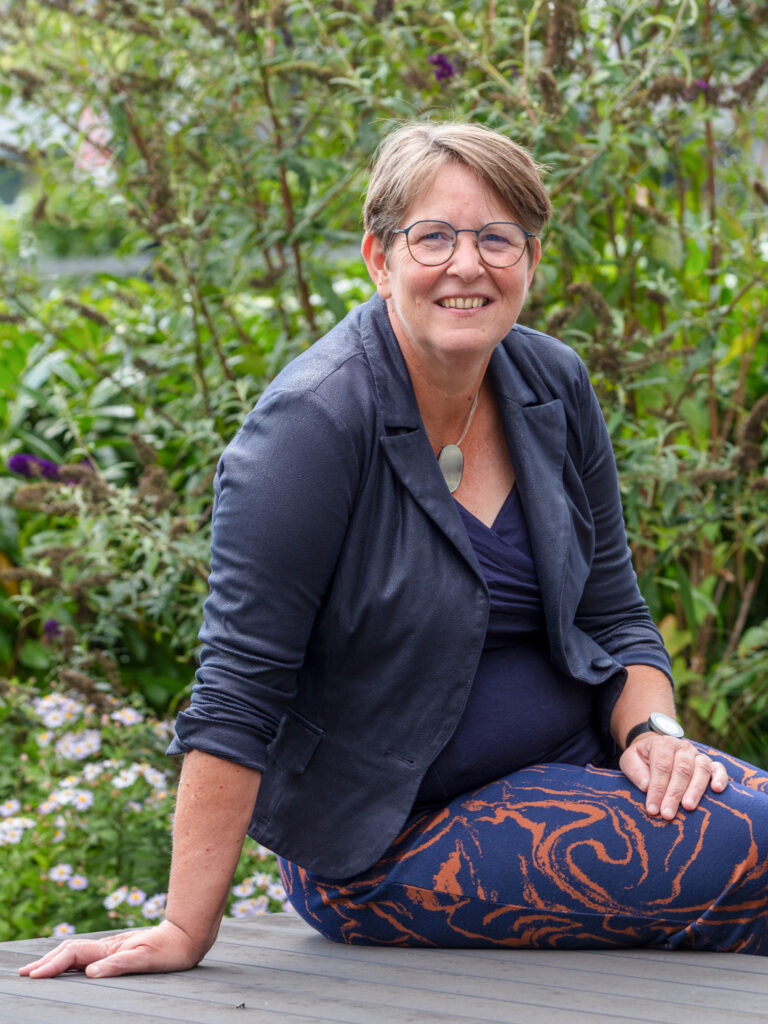
My background combines science, teaching and educational development. I started my career as a toxicologist and researcher in life sciences, including several years in industrial R&D, before moving into higher education.
I spent more than twenty years at Utrecht University, first combining research and teaching and later becoming increasingly involved in educational and professional development. Over the years, my work has taken me from the classroom to curriculum development, SoTL, professional development and educational leadership.
Today, I bring those different parts of my experience together in my independent work. I’m Chair of EuroSoTL, co-author of the Utrecht University Roadmap for SoTL and co-editor of Routes to Change: Strategic Leadership in SoTL.
Let’s talk
Whether you’re a programme or curriculum leader, educational developer, educator, or work in a science-based organisation, you don’t need to know exactly what kind of support you need.
We can start with the question you’re working on and see what would be useful.
If you’d like to talk it through, feel free to get in touch.Send me a message or email me at info@irmact.com.
Coffee is always an option ☕
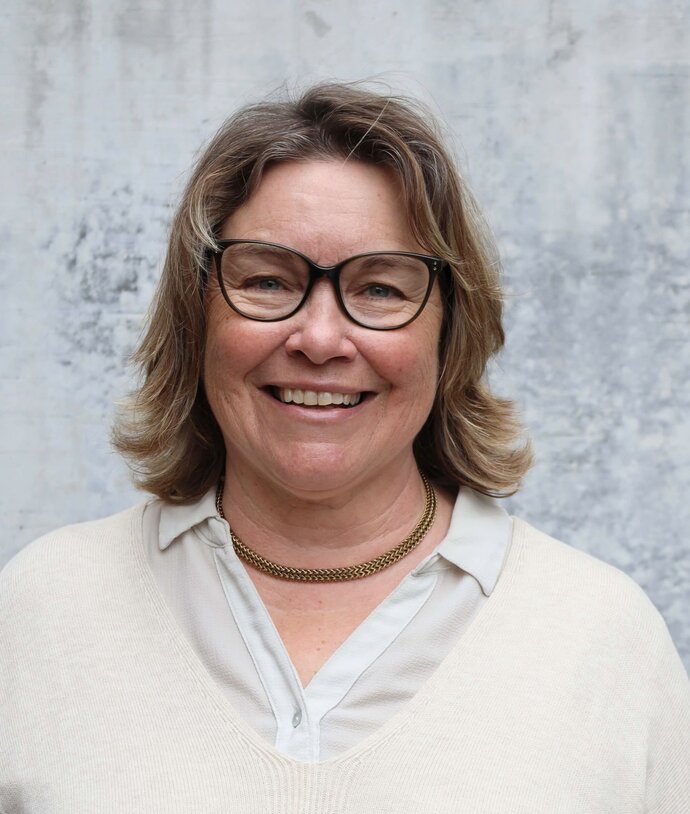
”Irma is an experienced, dedicated and knowledgeable scholar, networker, and leader. She has vast experience of leading collaborations, networks, and interdisciplinary teams and project development in different settings. She is very organized and energetic, and she gets things done within a frame of professional togetherness. In other words she is a great collaborator and leader, who gets my strongest recommendations.”
Katarina Mårtensson
Professor, Division for Higher Education Development Educational Sciences, Department of Educational Sciences
Lund University, Sweden