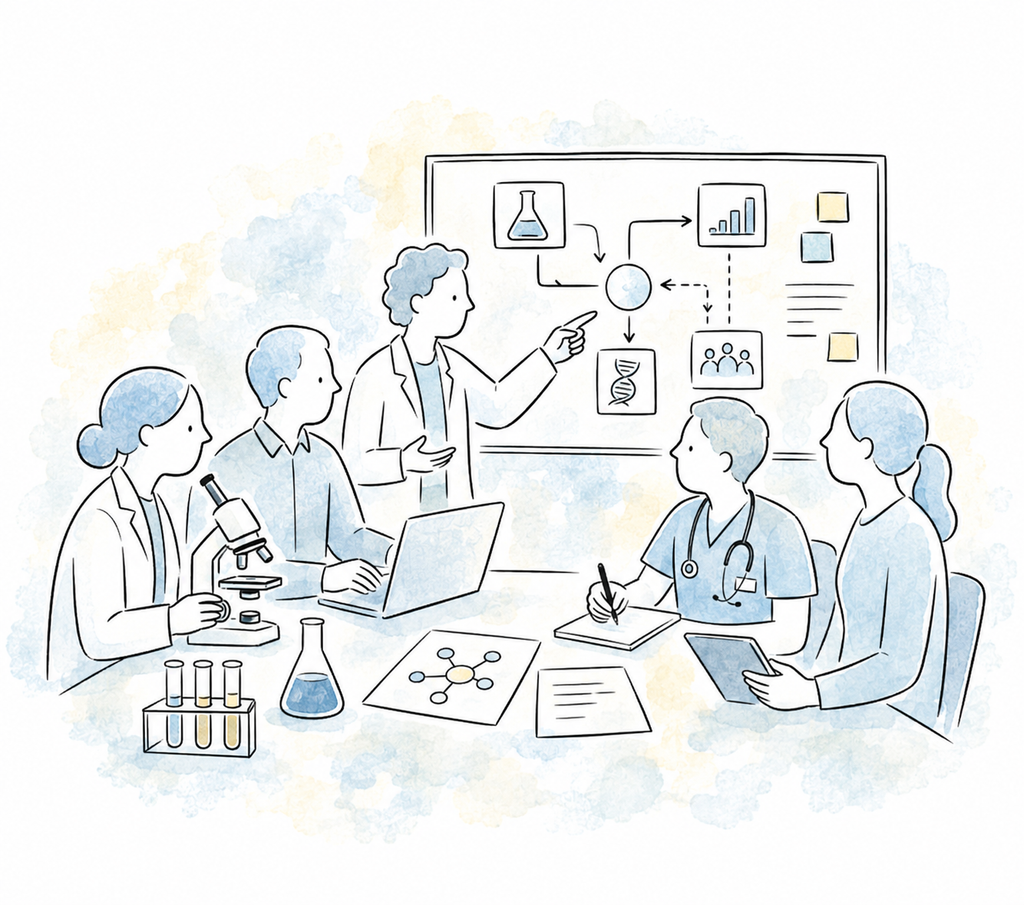
You work in a science-based organisation where expertise matters. Your colleagues may be scientists, R&D professionals, healthcare professionals or other highly qualified specialists who know their field inside out.
But having expertise isn’t enough. People need to be able to share what they know, learn from each other, develop new skills and apply new knowledge in practice. And sometimes complex science needs to make sense to people with very different backgrounds.
That doesn’t happen automatically. Knowing your subject is one thing. Helping someone else understand it, learn from it or use it is something else.
That’s where professional learning comes in.
When professional learning gets complicated
You may recognise this:
Being an expert doesn’t automatically make you an educator.
The people with the deepest expertise are often the ones asked to teach or train others. But they may have had little opportunity to think about how people learn, how to structure that learning, or how to help others apply it in practice.
People know it. But do they use it?
A training can be scientifically sound, well received and still make surprisingly little difference to what happens afterwards. People may have gained the knowledge, but applying it in a busy professional environment is another matter.
Your expertise needs to make sense in a different context.
What makes perfect sense within one scientific field may look quite different from the perspective of a healthcare professional, regulatory expert, patient or colleague from another discipline. The challenge isn’t simply to explain the science more clearly. It’s working out what matters in that other context, what others need from your expertise, and what you may need to understand from them.
Sometimes the expertise is already in the room.
You bring a group of professionals together to develop something, work through a complex question or make important choices. Everyone brings valuable knowledge and experience. But putting the right people around a table doesn’t automatically mean you make good use of that expertise — or leave with a clear way forward.
What Good Professional Learning Can Do
Professional learning connects to the work people actually do. What people learn in a training, programme or working session doesn’t stay there, but helps them do something differently, see a question from another perspective or make better use of what they already know.
People learn from each other as well as from formal training. Different perspectives and expertise lead to new insights, better questions and ideas that can be taken back into practice.
The result is learning that feels relevant, useful and worth people’s time.
How I Help Science-Based Organisations
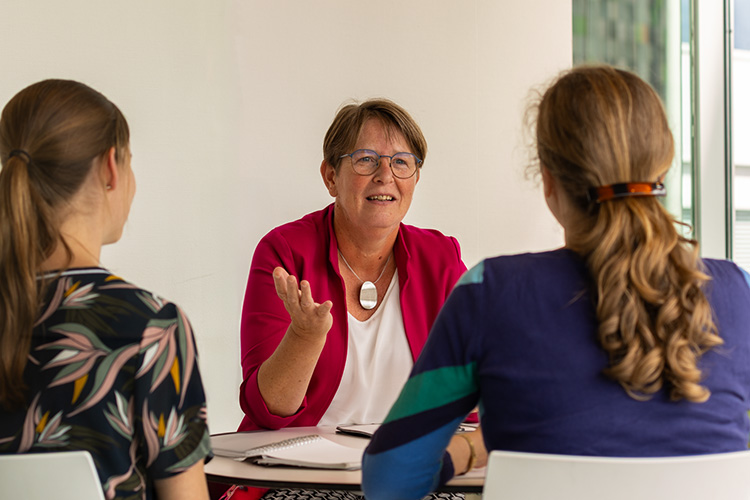
I know the world of science from the inside. I started my career as a toxicologist and researcher in life sciences, including several years in industrial R&D at Numico Research. I later moved into academia, where I combined research and teaching before becoming increasingly involved in educational and professional development.
Over the years, my focus shifted from knowing and teaching the science myself to a question I still find fascinating: how do we help other people learn, develop and make good use of the expertise around them?
That background shapes how I work. I understand scientific thinking and the importance of evidence, but I also bring many years of experience in how people learn, how professional development can be designed, and how groups can work and learn together.
I can work comfortably with scientists and other highly qualified professionals without needing the science to be simplified first. I bring a different kind of expertise: helping people think about how they share their knowledge, connect it to other perspectives and put it to use.
How We Can Work Together
Sometimes you want to strengthen a learning programme or help experts become better at teaching others. Sometimes you need to bring people with different expertise together around a question. And sometimes you simply want someone from outside your organisation to think with you.
We start with what you are trying to achieve and work out what would be most useful.
Professional Learning and Development
You want to strengthen how professionals learn and develop in your organisation. I can help you:
- design or redesign a professional learning programme;
- support scientists and other experts who teach or train colleagues;
- work with your subject experts to design interactive workshops or training around complex scientific or professional topics;
- help professionals look at their expertise from the perspective of a different role, discipline or professional context;
- review existing training and explore how it could connect more closely to professional practice.
This can be a single workshop or masterclass, a Train-the-Trainer session, or a longer development programme.
Facilitated Development Sessions
You have a group of people with the expertise you need, and want to make good use of the time you have together.
I design and facilitate sessions where professionals can bring together different perspectives, explore a complex question, develop something together or look at their work through a different professional lens.
That might be a team development day, an expert meeting, a working session around a new initiative, or a series of sessions when the question needs more time.
A critical friend
You’re developing something and want an outside perspective. It might be a professional learning programme, a new way of, a workshop you’re designing, or a question about how knowledge and expertise are shared in your organisation.
I can review what you have, bring in evidence and ideas from elsewhere, ask questions, challenge your thinking and help you work out what makes sense. This can be a one-off conversation or support over a longer development process.
Let’s Talk
Not sure exactly what kind of support would fit? That’s fine. We can start with what you’re working on and take it from there.
We can meet in person or on Teams or Zoom. Get in touch at info@irmact.com and we’ll find a time to talk.