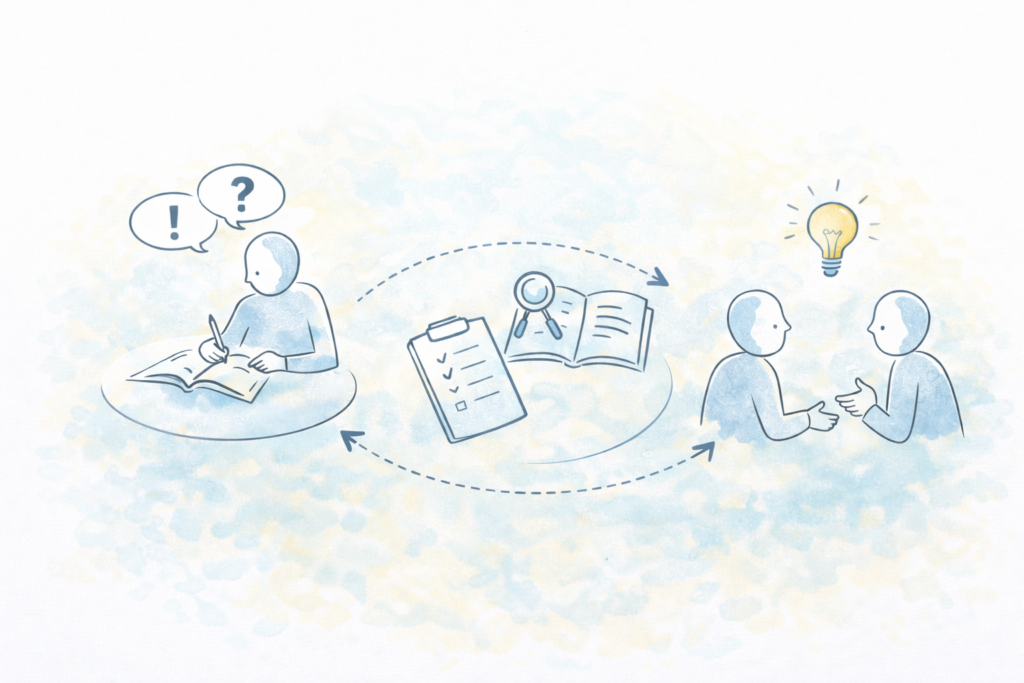
You work in educational development in higher education. Perhaps in a Teaching and Learning Centre, embedded in a faculty, or in another role where supporting and improving teaching is central to your work.
Your work can take you almost anywhere. One day you’re supporting lecturers with their teaching. The next you’re discussing curriculum development, AI, student engagement or professional development.
You may be building Scholarship of Teaching and Learning (SoTL) in your institution, designing a new programme for educators, or helping a team work through a question that doesn’t have an obvious answer.
You already bring a lot of expertise to that work. But sometimes it helps to have someone alongside you.
When an outside perspective helps
You may recognise this:
Sometimes an outside voice makes a difference. You may already know what needs to be said, but hearing it from someone outside the institution can open up a different conversation, bring a fresh perspective or give an idea more weight.
You’re asked to support something that sits outside your own expertise. Educational development covers a lot. You may suddenly need deeper expertise in SoTL, curriculum development or evidence-informed teaching, without wanting to become the specialist yourself.
You want to know how others are approaching the same questions. What are others trying? What seems to work? And what might be useful in your context?
Some questions don’t have an obvious answer. You may be developing a new professional development programme, building a SoTL initiative or working through a complex educational question. There are different routes you could take, and you want to make a thoughtful choice about what fits your context.
You do a lot. But does it really lead to change? A workshop goes well, people leave enthusiastic, and then everyday work takes over again. You want professional development and educational initiatives to lead to something that lasts.
What Successful Educational Development Looks Like
The work leads somewhere. A workshop opens up a new way of thinking. A programme helps educators develop their practice. A curriculum conversation results in clearer choices. A SoTL initiative grows into something people want to be part of.
Educators and programme teams take ownership. They don’t just participate in something you have designed; they bring their own questions, ideas and experience, and help shape what comes next.
And what you develop doesn’t disappear when the workshop ends or the project is over. Ideas are taken forward, people keep talking and learning, and something starts to change in practice.
How I help Educational Developers
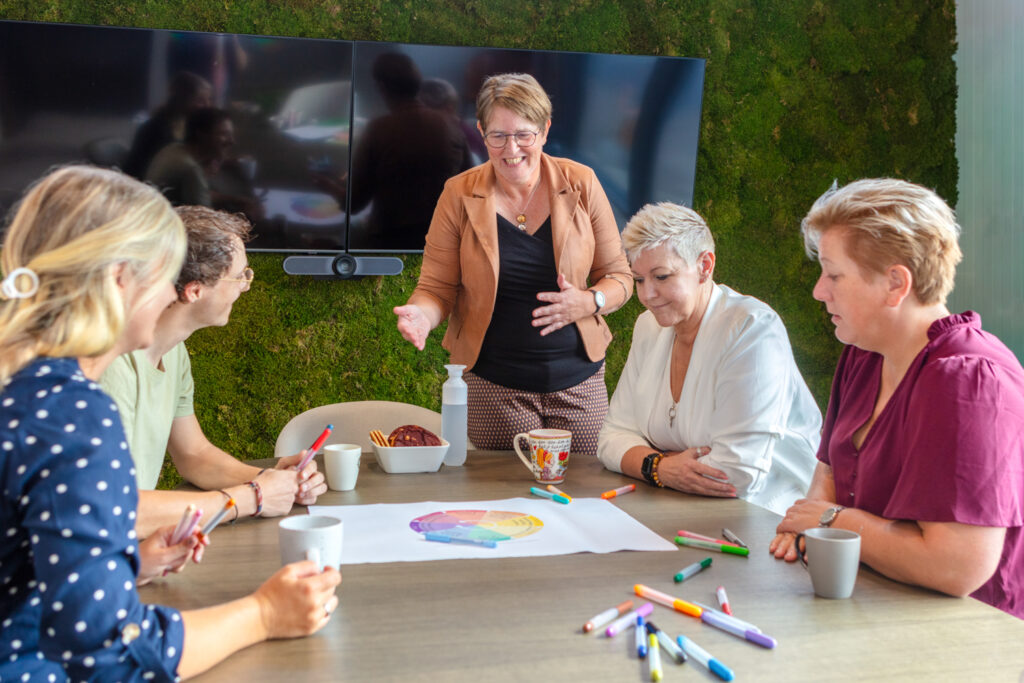
I know higher education from different sides. I started as a scientist in life sciences and taught university students for many years before moving into educational development. I led the development of a new interdisciplinary undergraduate curriculum and worked for many years on the professional development of university educators, including teaching qualifications and assessment of teaching portfolios.
SoTL has become another major part of my work. I’m Chair of EuroSoTL, co-author of the Utrecht University Roadmap for SoTL, and co-editor of Routes to Change: Strategic Leadership in SoTL.
That combination matters in how I work. I understand the world of the educators and programme teams you support, but also the questions you face as an educational developer. I bring evidence and experience into the conversation and ask questions that help sharpen the thinking. And I’m quite happy to challenge an idea when I think it needs challenging.
I don’t come in with a ready-made solution. We work together to find an approach that fits your context and the people you are supporting.
How we work together
Sometimes you need one well-designed session. Sometimes you’re looking for specific expertise or someone to think with. And sometimes it makes sense to work together for longer.
We shape the work around what you, your team and the people you support actually need.
Workshops, Masterclasses and Talks
You want to bring in an outside perspective or specific expertise for your team, educators or programme leaders. I design and facilitate interactive sessions on topics such as SoTL, evidence-informed teaching, curriculum development and educational leadership.
A session can stand on its own or be part of a wider programme. Either way, we start with what you want people to think about, work on or take forward, and design from there.
Developing and Supporting SoTL
You want to introduce SoTL, support educators in doing it, or give it a stronger place in your institution. This can range from a masterclass or Train-the-Trainer workshop to an ambassador programme, a SoTL development trajectory or longer-term support.
The aim is not simply to get people interested in SoTL, but to help them actually do it, support others, and develop ways of working that can continue after my involvement ends.
A Critical Friend
Sometimes you don’t need a workshop or programme. You need someone to think with. That might be around a professional development programme, a curriculum initiative, your approach to SoTL, or another educational challenge.
I can bring in evidence and experience from elsewhere, ask questions, challenge assumptions and help you work out what makes sense.
Let’s work together
Not sure yet what kind of support would fit? That’s fine. We can start with the question you’re working on and take it from there.
We can meet in person or on Teams or Zoom. Get in touch at info@irmact.com and we’ll find a time to talk.
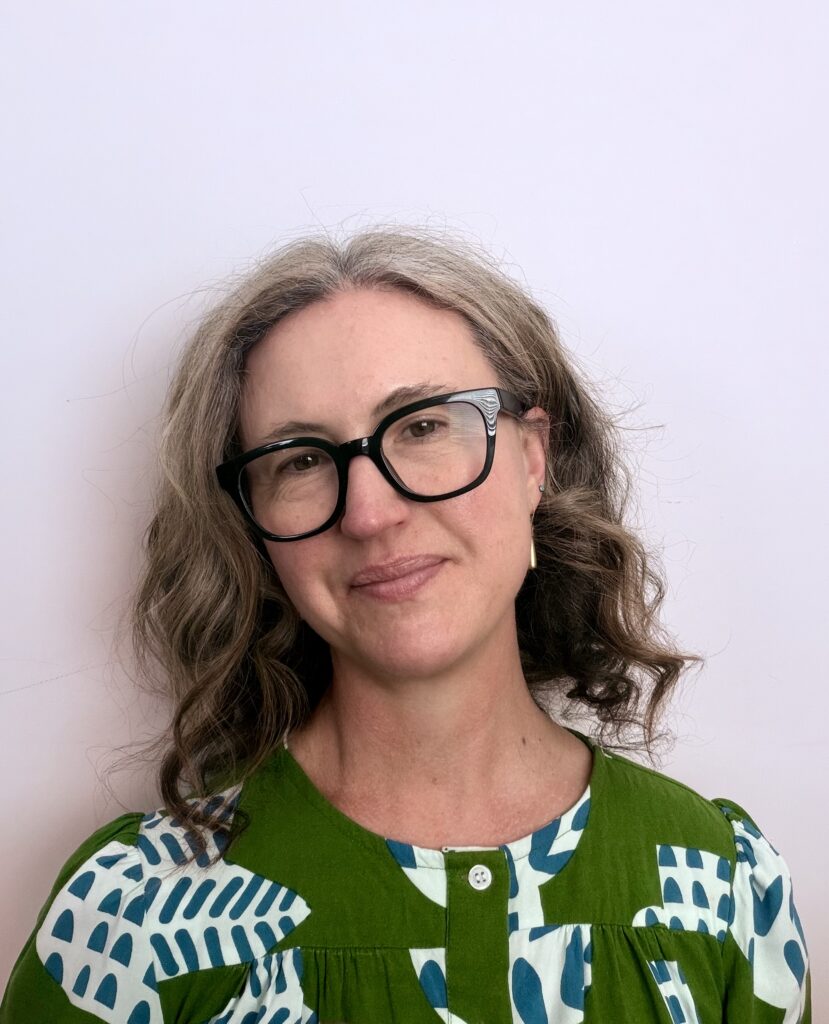
“As Director of the Master’s in Teaching and Learning in Higher Education at University College Cork, I found Irma’s SoTL Masterclass to be exceptionally valuable. The workshop was thoughtfully structured, well-paced and highly engaging, with a strong practical focus that helped me refine my own SoTL project into a clearer and more achievable plan. It was equally beneficial for prospective students considering the programme and for colleagues from the wider SoTL community, providing an inspiring and supportive space to develop ideas, receive constructive feedback and build connections. I would highly recommend this masterclass to anyone interested in advancing their scholarship of teaching and learning.”
Dr. Briony Supple
Senior Lecturer, Learning and Teaching Enhancement (CIRTL)
Centre for the Integration of Research, Teaching and Learning (CIRTL)
University College Cork